
Understanding Ice Dam Prevention for Coventry, CT Homeowners
Understanding Ice Dam Prevention for Coventry, CT Homeowners
Ice dams form along roof eaves in Coventry, CT when heat escaping through inadequate attic insulation melts snow that refreezes at the roofline, backing water under shingles and causing interior damage. Preventing ice dams requires addressing heat loss rather than simply removing ice after it forms.
How Do Ice Dams Form on Coventry Roofs?
Ice dams develop when warm attic air raises roof surface temperature above freezing while eaves remain cold, creating conditions for meltwater to refreeze at the roofline.
Snow on the upper roof melts and flows downward until it reaches the cold eave overhang. There it refreezes, forming a ridge of ice that traps subsequent meltwater behind it.
This trapped water backs up under shingles because the shingle design assumes water flows downward off the roof. When water flows upward under shingles, it bypasses the waterproofing system and enters the roof structure.
What Role Does Attic Insulation Play in Ice Dam Prevention?
Proper attic insulation keeps heat inside living spaces rather than allowing it to escape through the roof and melt snow.
Insulation rated R-49 or higher for Coventry's climate zone reduces heat transfer through the ceiling. This keeps the roof surface cold and prevents snow from melting except during natural daytime warming.
Inadequate insulation allows heat to escape continuously, creating persistent melting conditions that form ice dams even during moderate cold spells. Upgrading insulation provides the most effective long-term prevention.
Can Ventilation Systems Prevent Ice Dam Formation?
Balanced attic ventilation removes heat that escapes through insulation, maintaining uniform roof temperature that prevents differential melting.
Ridge vents combined with soffit vents create continuous airflow that exhausts warm air before it can raise roof surface temperature. This system works only when insulation prevents bulk heat transfer from living spaces.
Homeowners looking to find roof installation help in Coventry should ensure contractors address both insulation and ventilation during replacement projects. These systems work together to prevent ice dams and extend roof lifespan.
Which Roof Features Are Most Vulnerable to Ice Dam Damage?
Skylights, low-slope sections, and valley areas concentrate meltwater flow and experience more severe ice dam formation than simple gable roofs.
Skylight curbs interrupt snow sliding and create dams where ice accumulates. Water backing up behind these dams finds any gap in the curb flashing and enters the roof structure.
Valley areas channel water from two roof planes, doubling the meltwater volume and increasing ice thickness. These locations require additional underlayment protection and careful flashing integration.
Do Gutter Guards Prevent or Worsen Ice Dam Problems?
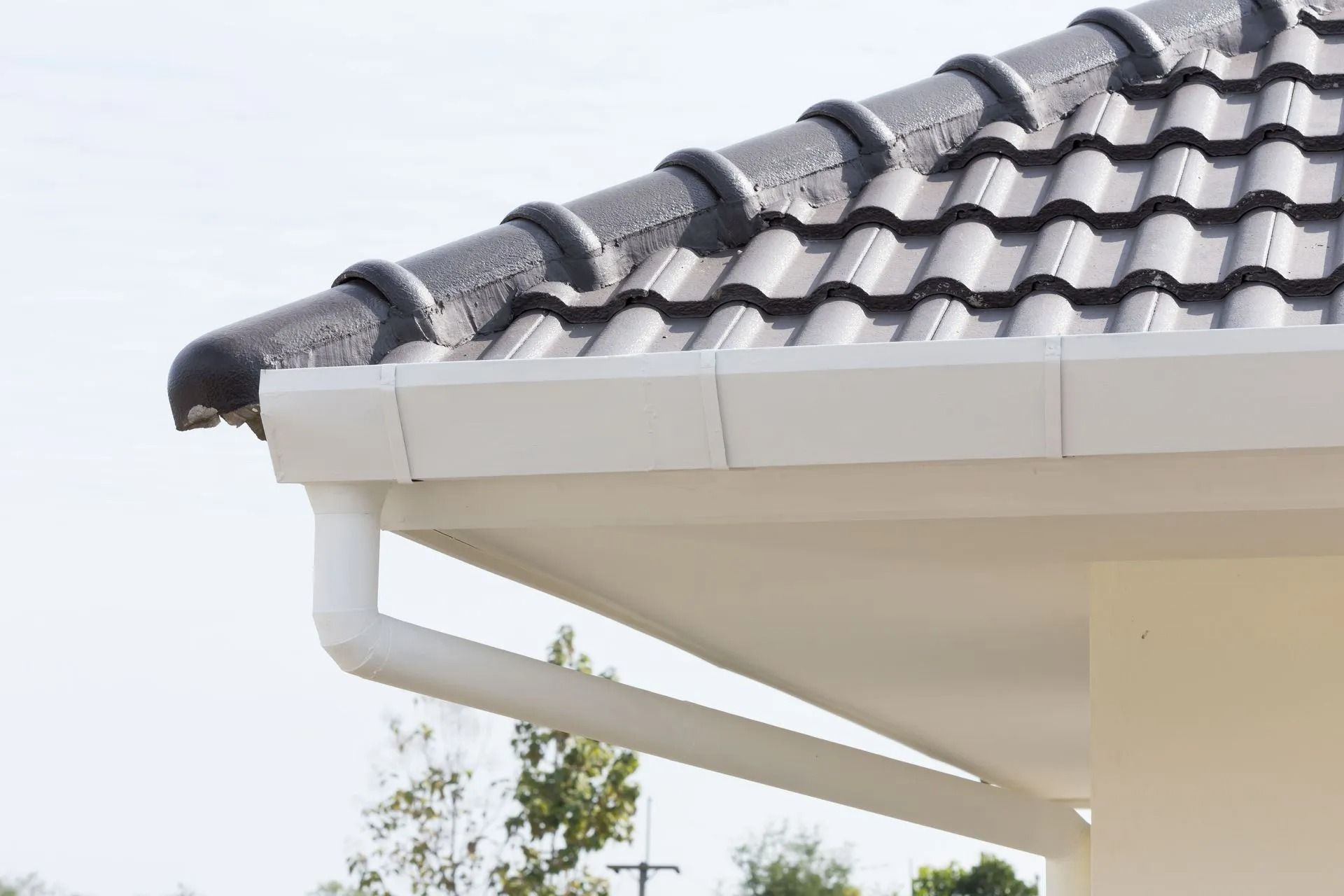
Gutter guards do not prevent ice dams because dams form on the roof surface rather than in gutters, but guards do prevent gutters from filling with ice and pulling away from fascia boards.
Ice-filled gutters add significant weight that can damage fascia and soffit. Guards keep debris out so gutters remain empty and lightweight even when ice forms on the roof above them.
Some solid-cover guard designs can trap ice at the roof edge, potentially worsening dam formation. Homeowners can explore ice dam prevention options in Coventry to understand which gutter protection designs work best with their roof configuration.
When Should Homeowners Remove Ice Dams Rather Than Wait for Melting?
Active leaks or visible water staining inside the home require immediate ice dam removal to prevent progressive damage to ceilings, walls, and insulation.
Professional removal uses low-pressure steam to melt channels through the ice dam, allowing trapped water to drain. This method avoids roof damage that results from chipping ice with tools.
Homeowners should not attempt to remove ice dams themselves because the process risks personal injury and roof damage. Emergency removal services respond quickly when leaks threaten interior spaces.
How Do Coventry's Winter Patterns Affect Ice Dam Risk?
Frequent freeze-thaw cycles and moderate snowfall in Eastern Connecticut create ideal conditions for ice dam formation throughout winter.
Temperatures that fluctuate above and freezing during daytime create persistent melting even when nighttime lows refreeze meltwater. This pattern repeats throughout the season, building progressively larger dams.
South-facing roof sections experience more solar heating and earlier melting, while north-facing sections retain snow longer. This creates complex ice dam patterns that vary across different roof planes on the same home.
Swift Waters Gutters and Roofing provides ice dam removal and prevention services particularly around skylight curbs and low-slope areas where meltwater backs up and causes damage. Our approach addresses the root causes of ice dam formation to protect your home long-term.
Plan your ice dam prevention strategy today by calling to schedule an attic insulation and ventilation assessment before winter arrives.