
Roof Leaks After Heavy Rain: Common Causes in Mansfield, CT
Roof Leaks After Heavy Rain: Common Causes in Mansfield, CT
Homeowners in Mansfield, CT near me often discover roof leaks only after intense thunderstorms overwhelm compromised roof systems, causing water to appear in ceilings or along walls. Identifying the source quickly prevents secondary damage and helps determine whether emergency repairs or full replacement are necessary.
How Does Damaged Flashing Cause Leaks During Heavy Rain?
Flashing failures around chimneys, skylights, and vent pipes account for a significant portion of storm-related leaks because these transition points concentrate water flow.
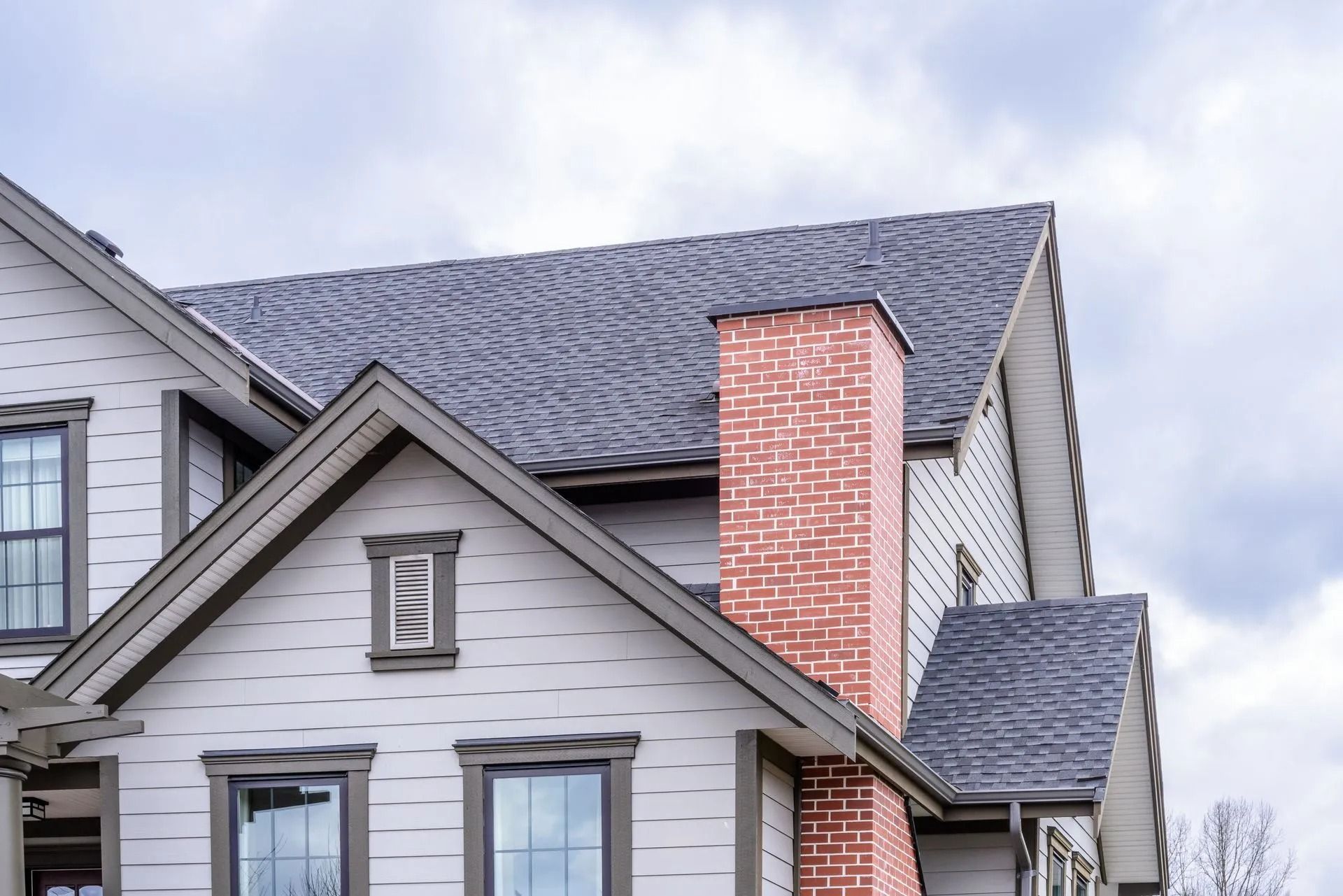
Properly installed flashing directs water away from vulnerable seams and onto the main roof surface. When flashing corrodes, separates, or was installed incorrectly, water enters the roof assembly at these concentrated flow points.
Heavy rain increases water volume and velocity, overwhelming marginal flashing that might otherwise handle light precipitation. Homeowners who notice leaks only during intense storms should inspect flashing first.
What Role Do Compromised Shingles Play in Storm Leaks?
Cracked, lifted, or missing shingles create direct pathways for water to reach underlayment and decking during heavy rainfall.
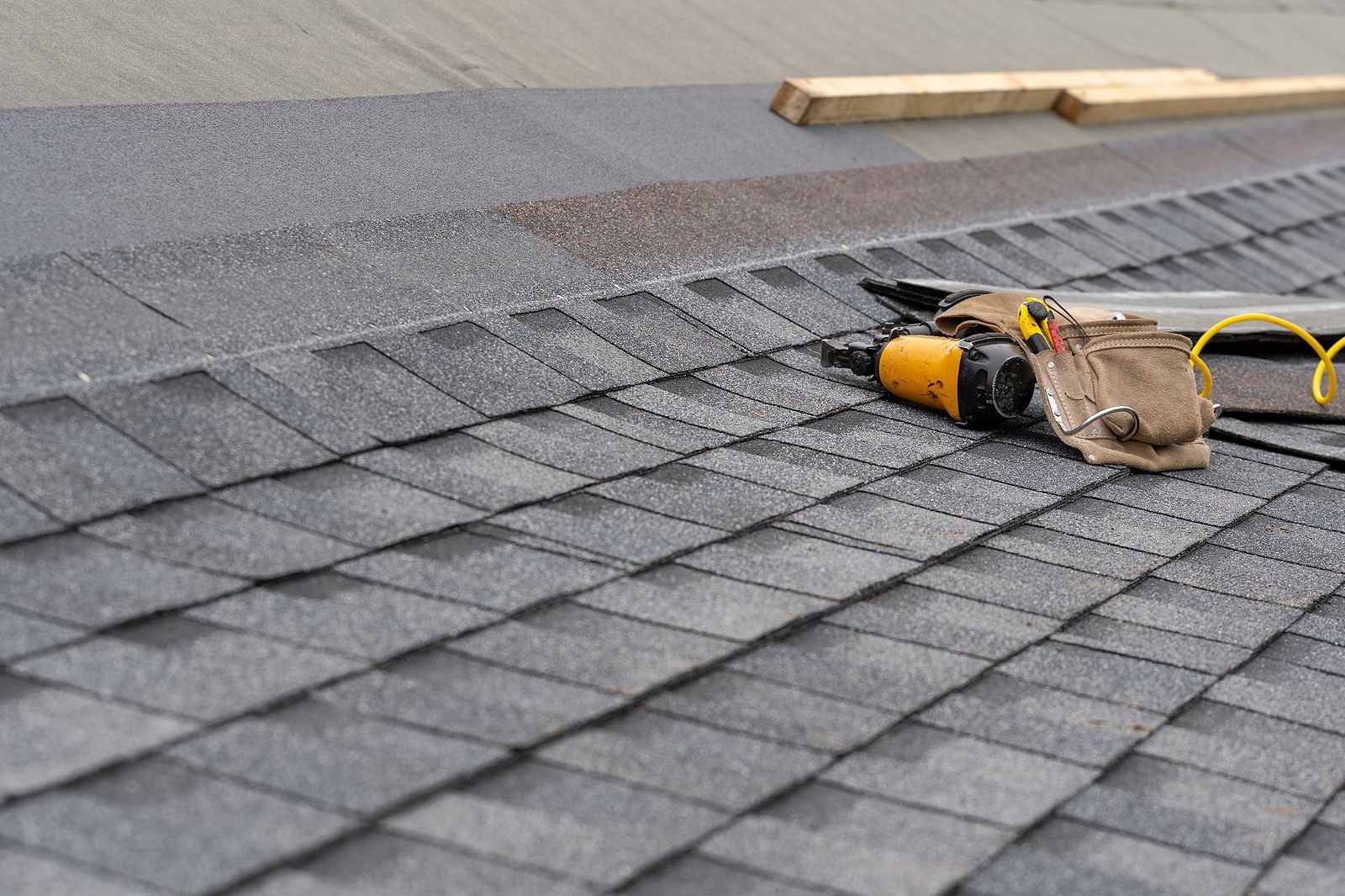
Wind-driven rain forces water under shingle edges that have lost their seal. Older shingles become brittle and crack along nail lines, creating channels that funnel water into the roof structure.
A single damaged shingle can allow water to travel laterally along roof decking before dripping into living spaces far from the actual breach point. This makes leak sources difficult to identify without professional inspection.
Can Clogged Gutters Cause Roof Leaks During Storms?
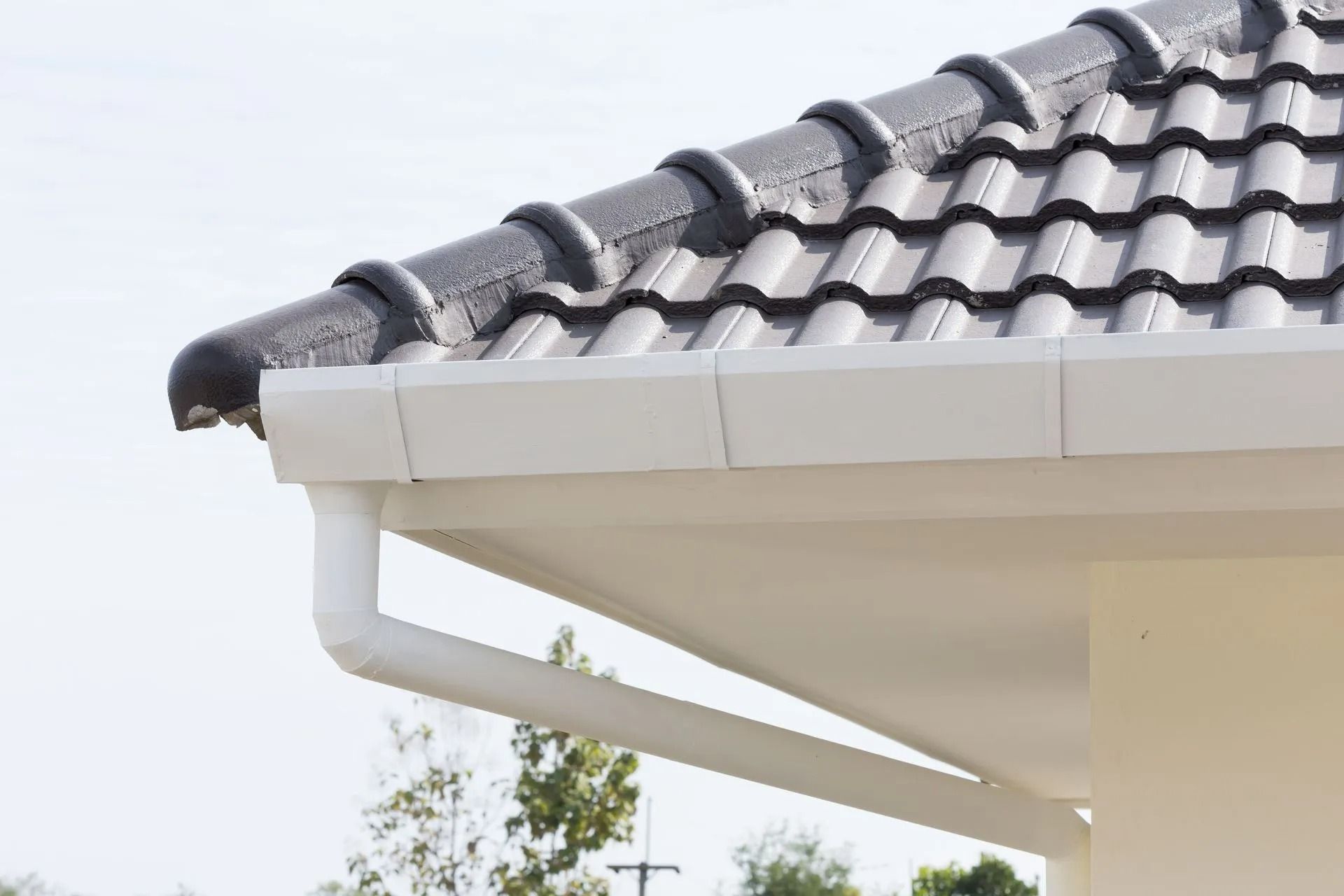
Gutters filled with leaves and debris cause water to back up under shingle edges at the roofline, creating leaks that appear only during heavy rainfall.
When gutters overflow, water pools along the fascia board and seeps under the first course of shingles. This condition worsens on low-slope roof sections where water drains slowly.
Properties with mature trees experience more frequent gutter blockages. Homeowners looking to find gutter protection help in Mansfield can prevent this common leak source by installing guards that keep debris out while allowing water to flow freely.
Do Skylight Installations Leak More Frequently Than Other Roof Features?
Skylights leak when curb flashing fails or when underlayment integration was performed incorrectly during installation.
Water collects around skylight curbs during heavy rain and finds any gap in the flashing system. Improper integration of underlayment layers allows water to bypass the curb and enter the roof structure.
VELUX-certified installations include proper curb flashing and underlayment integration that prevents these common failure points. Homeowners with leaking skylights should evaluate whether repair or complete reinstallation offers better long-term protection.
When Does a Roof Leak Require Emergency Service?
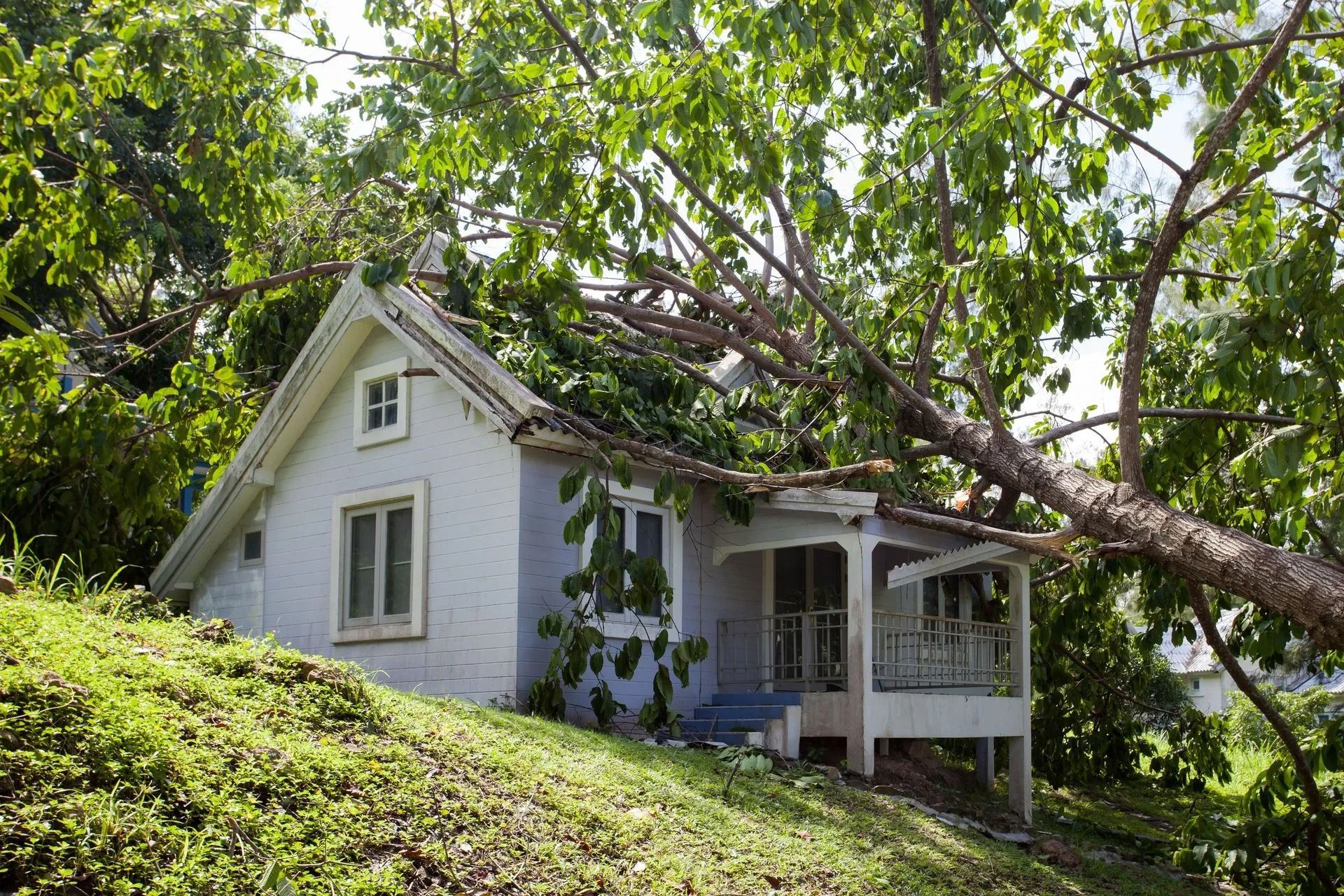
Active leaks during storms require immediate attention when water flows continuously, threatens electrical systems, or causes ceiling collapse risk.
Emergency tarping protects interior spaces until permanent repairs can be completed. This temporary measure prevents secondary damage to insulation, drywall, and personal property.
Homeowners can explore emergency roofing options in Mansfield to understand response times and temporary protection methods. Same-day service availability prevents minor leaks from becoming major restoration projects.
How Do Low-Slope Sections Contribute to Storm Leaks?
Roof sections with minimal pitch drain slowly, allowing water to pool and find entry points that would not leak on steeper slopes.
Low-slope areas around dormers, additions, and porch roofs require modified installation techniques including additional underlayment layers and sealed shingle edges. Standard installation methods often fail in these locations.
Ice dam formation during winter also concentrates at low-slope sections, causing progressive damage that manifests as leaks during subsequent rain events. Addressing these areas during roof replacement prevents recurring problems.
What Inspection Steps Identify Hidden Leak Sources in Mansfield Homes?
Attic inspections during or immediately after heavy rain reveal active leak paths that are invisible from exterior roof inspections.
Water stains on rafters, wet insulation, and rust on metal fasteners indicate the leak's interior terminus. Tracing these signs back to their source requires understanding how water travels along roof decking and structural members.
Exterior inspections focus on flashing condition, shingle integrity, and gutter function. Combining interior and exterior assessments provides a complete picture of roof system health and helps prioritize repairs.
Swift Waters Gutters and Roofing provides expert roof repair services including leak diagnosis, emergency storm damage response, and targeted repairs for compromised flashing and shingle damage. Our team responds quickly to protect your Mansfield home from further water intrusion.
Schedule your leak inspection today by calling to identify the source and prevent recurring problems.